
"trigonelline benefits"
8900 article(s) found

Chemical reaction and temperature during coffee roasting changes of reactive substances in coffee roasting process
Professional coffee knowledge exchange more coffee bean information please follow the coffee workshop (Wechat official account cafe_style) professional coffee roasting | coffee roasting is too complicated? A picture teaches you how the baking process reacts to the chemical composition of the baking. Sucrose: melting point 187.8 ℃-sugar? Complex = caramelization-water CO2 escapes to produce an explosive First Crack phenomenon. I'm in the roaster.

Detailed Analysis of the components of High-quality Coffee beans
★ volatile compounds: volatile compounds are the main source of coffee flavor, especially important for coffee quality. There are many kinds of volatile substances in coffee, and their existence will affect the aroma quality of coffee. Its main source is derived from non-volatile substances in raw beans which are disconnected or derived after reaction in the process of roasting. The role of thermal decomposition, other reactions, or compositions, such as sugar.

Detailed Analysis of the components of Fine Coffee beans
Volatile compounds are the primary source of coffee flavor, especially for coffee quality. There are many kinds of volatile snail in coffee, and its existence will affect the aroma quality of coffee. Its primary origin is derived from the non-volatile substances in raw beans which are disconnected or derived from spinning hooks in the process of roasting. Impregnation of thermal differentiation, other spinning hooks or compositions, such as sugars and amino acids
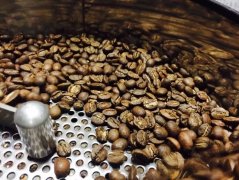
Detailed analysis of mineral carbohydrates in coffee beans
Moisture: the water content of coffee beans varies greatly with different processing stages and products. The moisture content of wet coffee beans with film is about 50%, while that of dried raw coffee beans is about 10%-13%. The water content of roasted coffee beans is only less than 5%. The existence of water in coffee beans is the same as other kinds of food and beverages, because it contains a considerable amount of hydration colloid macromolecules.

Detailed analysis of low molecular weight sugars in coffee beans
Moisture: the water content of coffee beans varies greatly with different processing stages and products. The moisture content of wet coffee beans with film is about 50%, while that of dried raw coffee beans is about 10%-13%. The water content of roasted coffee beans is only less than 5%. The existence of water in coffee beans is the same as other kinds of food and beverages, because it contains a considerable amount of hydration colloid macromolecules.

Detailed Analysis of Coffee Bean ingredients basic knowledge of Fine Coffee
Moisture: the water content of coffee beans varies greatly with different processing stages and products. The moisture content of wet coffee beans with film is about 50%, while that of dried raw coffee beans is about 10%-13%. The water content of roasted coffee beans is only less than 5%. The existence of water in coffee beans is the same as other kinds of food and beverages, because it contains a considerable amount of hydration colloid macromolecules.
Detailed analysis of the ingredients of coffee beans general knowledge of fine coffee
Moisture: the water content of coffee beans varies greatly with different processing stages and products. The moisture content of wet coffee beans with film is about 50%, while that of dried raw coffee beans is about 10%-13%. The water content of roasted coffee beans is only less than 5%. The existence of water in coffee beans is the same as other kinds of food and beverages, because it contains a considerable amount of hydration colloid macromolecules.

Detailed analysis of carbohydrates in coffee beans
★ moisture: the water content of coffee beans varies greatly with different processing stages and products. The moisture content of wet coffee beans with film is about 50%, while that of dried raw coffee beans is about 10%-13%, and that of roasted coffee beans is only less than 5%. The existence of water in coffee beans is the same as other kinds of food and beverages, because it contains a considerable amount of hydration colloid macromolecules.
Detailed Analysis of the components of Fine Coffee
★ moisture: the water content of coffee beans varies greatly with different processing stages and products. The moisture content of wet coffee beans with film is about 50%, while that of dried raw coffee beans is about 10%-13%, and that of roasted coffee beans is only less than 5%. The existence of water in coffee beans is the same as other kinds of food and beverages, because it contains a considerable amount of hydration colloid macromolecules.
Detailed Analysis of the components of Fine Coffee Bean
★ moisture: the water content of coffee beans varies greatly with different processing stages and products. The moisture content of wet coffee beans with film is about 50%, while that of dried raw coffee beans is about 10%-13%, and that of roasted coffee beans is only less than 5%. The existence of water in coffee beans is the same as other kinds of food and beverages, because it contains a considerable amount of hydration colloid macromolecules.
Knowledge of high-quality coffee beans detailed analysis of the components of coffee beans
★ moisture: the water content of coffee beans varies greatly with different processing stages and products. The moisture content of wet coffee beans with film is about 50%, while that of dried raw coffee beans is about 10%-13%, and that of roasted coffee beans is only less than 5%. The existence of water in coffee beans is the same as other kinds of food and beverages, because it contains a considerable amount of hydration colloid macromolecules.

Comparison of ice and hot coffee: which is better, ice coffee or hot coffee? hot coffee or iced coffee
Professional coffee knowledge exchange more coffee bean information please follow the coffee workshop (Wechat official account cafe_style) when you choose hot coffee or iced coffee, your judgment may be based on the mood or the weather outside. The difference in temperature is not the only reason, but there are also amazing differences in the health benefits of drinking hot coffee and iced coffee. No matter what the temperature is, drink coffee

Detailed analysis of the ingredients of coffee beans what are the ingredients in a coffee bean?
★ moisture: the water content of coffee beans varies greatly with different processing stages and products. The moisture content of wet coffee beans with film is about 50%, while that of dried raw coffee beans is about 10%-13%, and that of roasted coffee beans is only less than 5%. The existence of water in coffee beans is the same as other kinds of food and beverages, because it contains a considerable amount of hydration colloid macromolecules.

Basic knowledge of coffee health drinking coffee can prevent tooth decay
Studies have found that drinking coffee can prevent tooth decay. In the experiment, Italian researchers dipped synthetic tooth surface substances in a solution similar to saliva and found that trigonelline in coffee could effectively prevent the growth of bacteria on the tooth surface, thus preventing tooth decay. Trigonelline is the main source of bitterness in coffee.

The basic Chemical reaction of Coffee Baking process
Original: Basic Chemical Reactions Occurring in the Roasting Process by Carl Staub sourced from the SCAA Roast Color Classification System developed by Agtron-SCAA in 1995 Many thermal and chemical reactions occur during the roasting proces

Basic chemical reactions in the roasting process of coffee in both Chinese and English
Original: Basic Chemical Reactions Occurring in the Roasting Process by Carl Staub sourced from the SCAA Roast Color Classification System developed by Agtron-SCAA in 1995 Many thermal and chemical reactions occur during the roasting proces
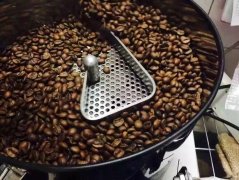
Explanation of the basic chemical reaction of coffee roasting in both Chinese and English
Original: Basic Chemical Reactions Occurring in the Roasting Process by Carl Staub sourced from the SCAA Roast Color Classification System developed by Agtron-SCAA in 1995 Many thermal and chemical reactions occur during the roasting proces

Where does the sour, bitter, sweet and sweet in coffee come from? Why is coffee sour and bitter?
Professional coffee knowledge exchange more coffee bean information Please follow the coffee workshop (Wechat official account cafe_style) Coffee sour source the difference between pleasant sour and unpleasant sour why do some coffees have plum sour taste? Some even smell like fruit vinegar. Why do some beans look so shiny? Is it because it has been kept for a long time? Why are there some
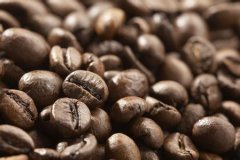
Detailed Analysis of Coffee Bean ingredients basic knowledge of Fine Coffee
Moisture: the water content of coffee beans varies greatly with different processing stages and products. The moisture content of wet coffee beans with film is about 50%, while that of dried raw coffee beans is about 10%-13%. The water content of roasted coffee beans is only less than 5%. The existence of water in coffee beans is the same as other kinds of food and beverages, because it contains a considerable amount of hydration colloid macromolecules.

How does the coffee taste come from? is the coffee bitter or sour?
Professional coffee knowledge exchange more coffee bean information please follow the coffee workshop (Wechat official account cafe_style) Why some coffee has the sour taste of plums? Some even smell like fruit vinegar. Why do some beans look so shiny? Is it because it has been kept for a long time? Why does some coffee taste so bitter? And caffeine. . . . Isn't it?